The Hidden Harm in “Wine Mum” Merch This Mother’s Day
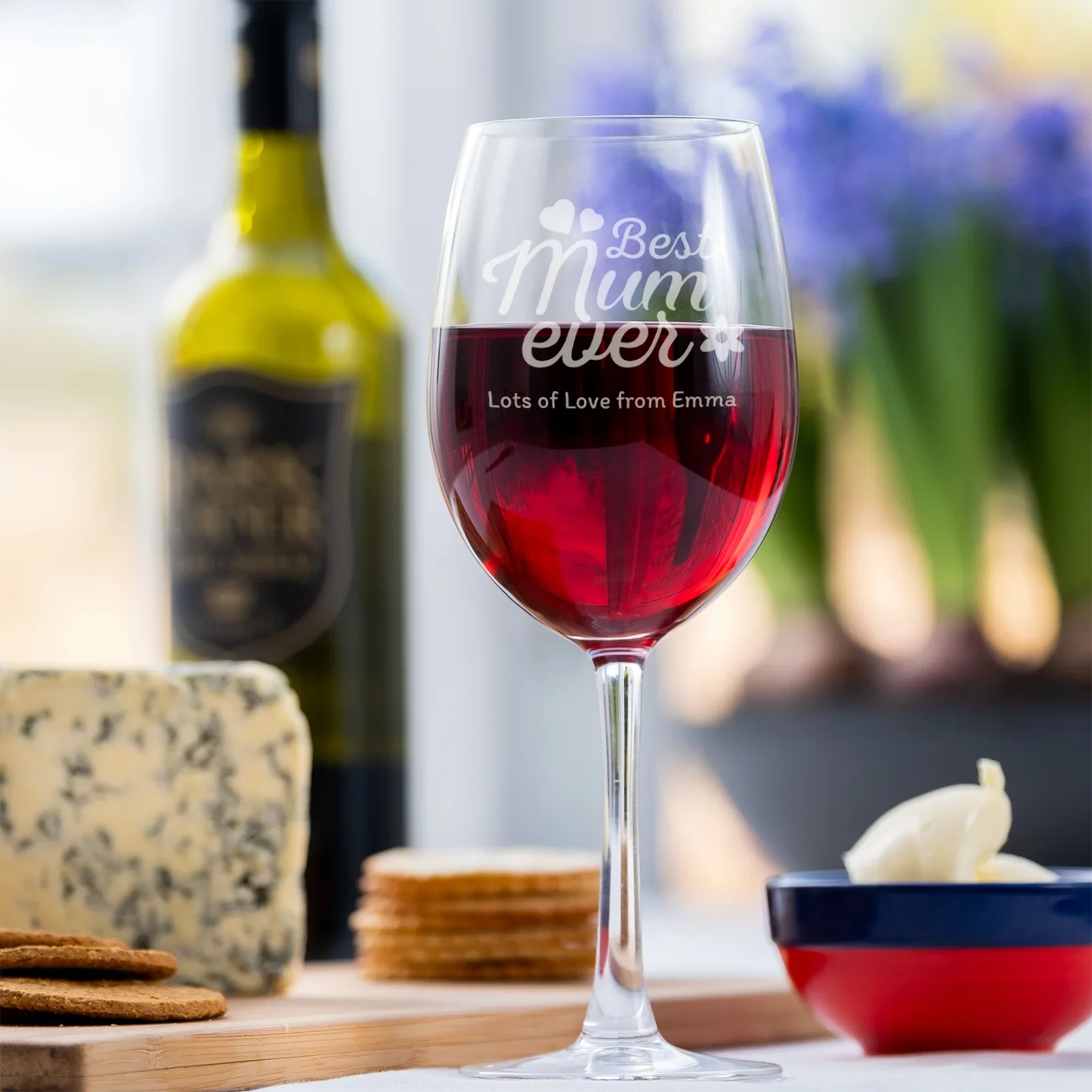
You’ve seen them: The soft cotton pyjamas with little prosecco bottles scattered across the fabric. The mugs that say “Mum’s survival juice.” The candles labelled “Smells like wine o’clock.”
They’re playful. A little bit funny… And yet, when you pause for a moment… they tell a much deeper story. Because these aren’t just products. They’re messages to our daughters.
And the message is this:
Motherhood is hard – and wine will help.
The normalisation we don’t question
Over the past decade, alcohol has been carefully woven into the identity of modern motherhood. As a coping mechanism, a reward, a personality, a way to socialise, connect with other mums, and to celebrate.
We’re seeing entire product lines - pyjamas, mugs, cards, candles - built around the idea that motherhood is something to be endured, and wine is the reward for surviving it. It’s been packaged so cleverly that it feels light, relatable, even bonding. But underneath that softness, “wine mum” culture has become a powerful and highly normalised narrative.
And it’s worth being honest about who that ultimately serves.
Because while these memes and slogans feel like they’re coming from women themselves - shared between friends, posted with a wink, laughed at in comment sections - they are perfectly aligned with the interests of Big Alcohol. This is how modern marketing works: not always through obvious ads, but through culture. Through messages that start to feel like our own.
Every time a “mummy needs wine” meme is shared, it reinforces a very specific idea - that alcohol is essential to coping with motherhood. It keeps drinking visible, normal, and emotionally loaded with meaning: relief, reward, identity, belonging.
And Big Alcohol doesn’t need to say a word.
Because when women do the sharing, the joking, the normalising, the message travels further and lands more softly. It bypasses resistance. It feels trustworthy, even comforting.
But the outcome is the same.
Alcohol stays embedded in the daily rhythm of women’s lives, its risks are quietly minimised, and its role as a coping tool goes largely unquestioned.
So while it might look like harmless humour on the surface, it’s also part of a much bigger system - one that benefits every time we keep repeating the story. And here’s the part that’s worth questioning: When something becomes aesthetic - printed on pyjamas, wrapped in pastel colours, gifted on Mother’s Day - it stops being seen as risky. It becomes normal. Expected. Even aspirational.
Young girls see it long before they ever take their first sip of alcohol.
They absorb this messaging very quietly:
This is what being a woman looks like.
This is how you cope.
This is what adulthood - and being a mum - brings.
But here’s what’s missing from the messaging
Alcohol is classified as a Group 1 carcinogen - the highest level of cancer risk, in the same category as tobacco.
It’s causally linked to at least seven types of cancer, including breast cancer, which is the most common alcohol-related cancer in women.
And importantly: There is no safe level of alcohol consumption when it comes to cancer risk.
Even small amounts matter.
Research shows that women who have just one drink per day have a higher risk of developing an alcohol-related cancer compared to those who drink less than one per week.
In Australia alone, alcohol is linked to around 5,800 cancer cases every year. Globally, it’s responsible for hundreds of thousands of cancer deaths annually.
And yet…
This is not the story we see on the pyjamas.
Why this matters more than we think
This is about awareness. Because when something harmful is wrapped in humour and sold as self-care, we stop questioning it.
We don’t pause to ask:
Why is this being marketed so heavily to women?
Why is alcohol positioned as relief, reward, or identity?
What are we teaching the next generation without even realising it?
Research shows that awareness is still surprisingly low. In some studies, only a small percentage of people recognise alcohol as a cancer risk at all.
And here in Australia, 63% of people don’t fully recognise alcohol as a significant cancer risk.
So we’re normalising something… that many don’t even realise carries risk.
The nervous system piece no one talks about
Here’s where this conversation becomes more compassionate - and more useful. Most women aren’t reaching for wine because they’re careless, and not considering their health.
They’re overwhelmed.
Stretched.
Running on empty.
And somewhere along the way, we’ve been sold the idea that alcohol is a form of relief.
But physiologically, alcohol actually adds stress to the body - impacting sleep, hormones, mood, and nervous system regulation.
So what looks like “taking the edge off” often becomes:
poorer sleep
increased anxiety
more emotional reactivity the next day
And the cycle continues.
A different kind of Mother’s Day
What if this Mother’s Day, we moved beyond the clichés? Beyond the mugs and the merch and the quiet expectation that mums need wine to cope?
What if we asked:
What would actually support her?
What would help her feel rested, nourished, steady?
What would make her feel like herself again?
Because when you strip it all back, most women aren’t asking for wine.
They’re asking for:
space
support
rest
connection
a nervous system that feels safe again
There is a shift happening
More women are starting to question the narrative. Not in a loud, dramatic way, but in a thoughtful, grounded one. They’re noticing how they feel, and they’re learning what their body actually needs. Many women are starting to choose support over numbing.
And this means no longer blindly accepting the story we’ve been sold. Maybe this Mother’s Day, we can look at those “Prosecco PJs” a little differently.