
The 5 Midlife Weight Loss Protocols That Helped Me Lose 17cm From My Belly
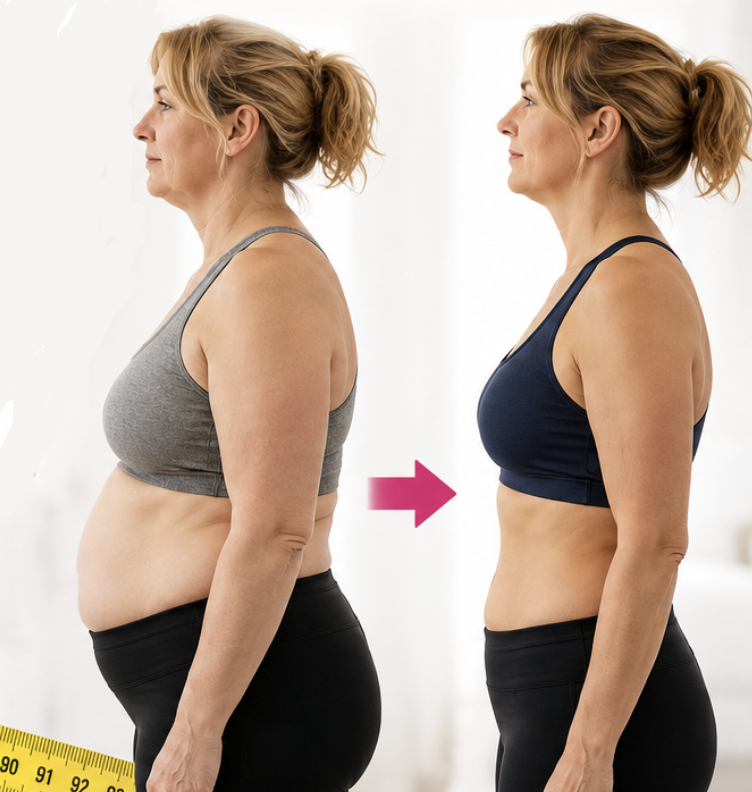
I’ve always carried weight on my belly.
Even in my teens and 20s, that was just where my body naturally stored fat first. Then perimenopause arrived - and suddenly it felt like my midsection had become a completely different battle altogether.
I’m also estrogen dominant, which can make belly weight, bloating and inflammation even more pronounced in midlife. And honestly? There was a point where I felt like no matter how “healthy” I was being, my body simply wasn’t responding anymore.
I was eating well. I was exercising. I knew what to do - or at least I thought I did.
But the harder I pushed with the old “eat less, move more” mentality, the worse I seemed to feel. More exhausted. More inflamed. More frustrated that my tummy just would not budge.
And I hear this from women every single day now.
Women who tell me they barely eat and still gain weight. Women who work out constantly but feel softer and puffier than ever. Women who feel like they’ve somehow lost control of their body overnight.
Here’s what I want you to know first: this is not a willpower issue.
Midlife changes the hormonal, metabolic and neurological landscape of the body. The rules change. Which means the approach has to change too.
Over time - and through a lot of learning - I shifted 17cm from my tummy. Not through restriction or punishing myself, but through a set of foundational protocols that finally worked with my body instead of against it.
And no, none of them involved cutting carbs or surviving on salads.
1. I Started Prioritising Protein
This was probably the biggest game changer.
Most women in midlife are massively under-eating protein, especially earlier in the day. A piece of toast or cereal simply doesn’t cut it anymore when hormones are shifting and muscle mass naturally declines.
Once I understood how important protein is for metabolism, blood sugar stability, cravings, energy and muscle preservation, I stopped vaguely trying to “eat healthy” and became much more intentional about building meals around it.
I started aiming for around 30 grams of protein at meals, particularly breakfast. Greek yoghurt with protein powder and berries, eggs with cottage cheese, chicken bowls, smoothies, salmon, tuna - simple things, but done consistently.
And the difference was enormous.
I stayed fuller for longer. My energy became steadier. The constant cravings and food noise reduced dramatically. I also realised how much easier it is to support fat loss when your body actually feels nourished.
2. I Stopped Punishing Myself With Cardio
For years, I thought more cardio was the answer.
Long workouts. Exhausting workouts. Trying to “burn off” food.
But for many women in midlife, too much high-intensity exercise - especially alongside stress, poor sleep and under-eating - can push the body further into exhaustion.
I started noticing that the more I punished myself, the more inflamed and depleted I felt.
So I changed my focus completely.
Instead of obsessing over calorie burn, I started prioritising strength training, walking and building muscle. And honestly, this changed everything for my body shape.
Muscle becomes incredibly important in midlife. It supports metabolism, insulin sensitivity, bone health, strength, energy and healthy ageing overall. And unlike punishing cardio, strength training helped me feel capable and empowered rather than exhausted.
These days, I strength train a few times a week, walk daily and move consistently - and my body responds far better to that than it ever did to endless cardio sessions.
3. I Learned That Belly Fat Is Often A Stress Signal
This one is huge, and I think we still don’t talk about it enough.
Women are often told belly fat is simply about eating too much or moving too little. But in midlife, cortisol, poor sleep and nervous system dysregulation play a massive role.
When we’re chronically stressed, overstimulated, under-slept and constantly pushing through, the body doesn’t feel safe. And a stressed body will often hold onto weight - particularly around the middle.
Sleep is a huge piece of this puzzle too.
Poor sleep affects hunger hormones, cravings, blood sugar regulation, cortisol and insulin sensitivity. It also leaves us exhausted and far more likely to reach for sugar, caffeine and quick energy the next day.
I had to stop treating stress management and sleep like optional extras and start seeing them as part of the protocol.
That looked like getting serious about my sleep routine, spending more time outdoors, walking regularly, reducing overstimulation, calming my evenings down and supporting my nervous system instead of constantly running it into the ground.
None of this sounds particularly glamorous, but these habits genuinely changed my body.
The more regulated and rested I became, the easier it was for my body to let go of inflammation, cravings and excess weight.
4. I Stopped Fasting And Started Eating More Consistently
I know fasting is incredibly popular, but for many women in perimenopause and menopause, it can backfire badly.
Especially if you’re already stressed, exhausted, under-muscled or struggling with blood sugar swings.
For me personally, fasting often led to overeating later in the day, intense cravings, poor sleep and feeling constantly wired but tired.
Once again, my body responded much better to consistency than restriction.
I started eating balanced meals regularly throughout the day with protein, fibre and healthy fats, and my energy became so much more stable.
Ironically, once I stopped aggressively trying to control food, my body became far more responsive.
That was a huge lesson for me.
Midlife weight loss is often less about restriction and far more about stability.
5. I Became Much More Aware Of Liquid Sugar
One of the biggest changes I made was paying attention to how much sugar was sneaking into drinks.
Because liquid sugar hits the bloodstream incredibly quickly, it can create huge spikes and crashes in blood glucose - which affects energy, cravings, hunger and fat storage throughout the day.
And in midlife, our bodies are often far less resilient to those constant blood sugar swings.
Things like soft drinks, juices, sugary coffees, energy drinks and even some “healthy” smoothies can contain enormous amounts of sugar without keeping us full for very long.
I also realised many women are drinking calories all day without even thinking about it.
Once I became more mindful of this and focused more on water, protein smoothies, herbal teas and lower-sugar options, my cravings and energy improved dramatically.
It wasn’t about perfection or never having treats again. It was about understanding how blood sugar affects the midlife body and making choices that supported steadier energy and fewer cravings overall.
The Biggest Thing I Learned
The biggest shift wasn’t just physical.
It was realising that midlife health is not about punishment, shrinking yourself or chasing extremes.
It’s about learning how to work with your changing body instead of fighting it every step of the way.
That’s exactly why I created Thrive After 40 - because women deserve real education, practical tools, and a sustainable approach that actually makes sense for this stage of life.
No extremes. No deprivation. No “bounce back” culture.
Just science-backed, realistic strategies that help women feel strong, energized, and at home in their bodies again.
All the details for Thrive After 40 are HERE. We start May 25!