11 Signs of Alcohol Use Disorder: The Warning Signs Many People Miss
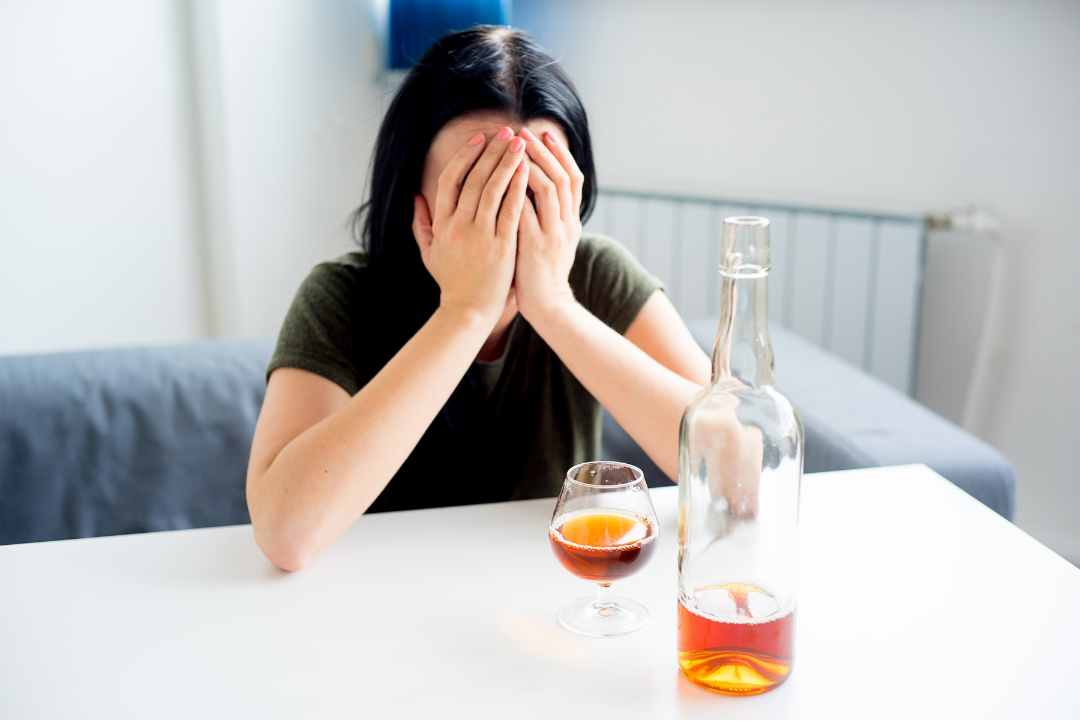
One of the reasons alcohol use disorder can be so difficult to recognise is because most of us are looking for the wrong signs.
We've been taught to picture someone whose drinking has become impossible to hide. Someone who has lost their job, damaged every important relationship in their life, or reached a dramatic crisis point. We imagine that if alcohol had become a problem for us, it would be obvious.
But that's rarely how it happens.
In reality, alcohol use disorder (AUD) exists on a spectrum, and many people who meet the clinical criteria continue to function remarkably well. They go to work, raise children, exercise, pay their bills, and appear to have everything under control. From the outside, their life looks completely normal. Often, even they don't realise that alcohol has gradually begun to take up more space than they intended it to.
This is one of the reasons so many people spend years quietly questioning their relationship with alcohol without ever considering that alcohol use disorder might be part of the picture.
It's also why I think it's important to talk about this openly and without judgment.
Alcohol use disorder is not a moral failing. It isn't a sign of weakness, a lack of willpower, or evidence that someone simply doesn't care enough to change. It's a recognised medical condition shaped by a complex combination of genetics, environment, life experiences, mental health, and brain chemistry.
The Diagnostic and Statistical Manual of Mental Disorders (DSM-5), used by health professionals around the world, outlines 11 criteria used to assess alcohol use disorder. Meeting two or more of these criteria may indicate AUD.
As you read through these signs, I want to encourage you to approach them with curiosity rather than fear. This isn't about diagnosing yourself. It's simply about noticing.
Because awareness is often where change begins.
1. You regularly drink more than you intended
This is often one of the first signs people recognise when they start looking honestly at their drinking.
You pour a glass of wine intending to have one. Before you know it, the bottle is nearly empty. You tell yourself you'll stop after two drinks and somehow find yourself ordering another, even though that wasn't the plan when the evening started.
The important thing here isn't necessarily the amount you drink. It's the gap between your intention and the reality.
Most people experiencing this aren't lacking discipline. The intention to moderate is usually very genuine. The difficulty lies in consistently following through once alcohol enters the picture.
2. You find yourself thinking about alcohol more than you'd like
For many people, this begins subtly.
You notice yourself looking forward to your evening drink during the afternoon. The thought appears when work becomes stressful, when the children are demanding, or when you're anticipating a difficult conversation.
Over time, those thoughts can become more persistent.
Rather than simply enjoying a drink when it happens, you find yourself planning for it, relying on it, or feeling relief simply knowing it's available.
This is what clinicians refer to as craving. It's not simply liking alcohol. It's the brain beginning to expect it as a source of reward, comfort, or relief.
3. You experience withdrawal symptoms when you don't drink
Many people are surprised to learn that withdrawal doesn't always look dramatic.
For some people it may involve shaking, sweating, nausea, or difficulty sleeping. For others it shows up as heightened anxiety, irritability, restlessness, or feeling unusually unsettled when alcohol isn't available.
Withdrawal symptoms occur because the body has adapted to alcohol being present and struggles when it's suddenly removed.
If you experience physical withdrawal symptoms, it's important to seek medical advice before stopping drinking abruptly, as alcohol withdrawal can be medically serious.
4. Your tolerance has increased
Perhaps there was a time when one or two drinks felt relaxing.
Now it takes considerably more to achieve the same effect.
This is known as tolerance, and it's a sign that the brain has adapted to regular alcohol exposure. What once felt noticeable now barely registers, leading many people to gradually increase the amount they drink without fully realising it's happening.
Tolerance often develops slowly, which is why it's so easy to overlook.
5. You drink in situations where it creates risk
This might mean driving after drinking, caring for children while intoxicated, making important decisions under the influence, or engaging in activities that require clear judgement.
Most people don't set out to take risks.
The concern is that alcohol can gradually impair decision-making to the point where behaviours that once felt unacceptable begin to feel reasonable in the moment.
When alcohol starts overriding your usual judgement, it's worth paying attention.
6. Alcohol is causing problems in your relationships
This sign often shows up long before people are ready to acknowledge it.
Perhaps your partner has expressed concern. Maybe friends have made comments. Maybe there have been repeated arguments about your drinking, followed by promises to cut back that never quite stick.
It's common to dismiss these concerns initially. To tell yourself that others are overreacting or don't understand.
But when the people who care about you begin noticing a pattern, it's worth considering that they may be seeing something you can't yet see clearly yourself.
7. Responsibilities are starting to suffer
Alcohol affects far more than the hours spent drinking.
It affects sleep, concentration, energy, memory, mood, and motivation. Over time, these effects can begin spilling into every area of life.
Perhaps work feels harder than it used to. Maybe household responsibilities are slipping. Maybe you're less present with your children or less engaged in activities you once enjoyed.
The impact is often gradual, but it can be significant.
8. You've tried to cut back but couldn't
Of all the signs on this list, this is one of the most important.
You've made sincere promises to yourself. No drinking during the week. Only drinking on weekends. Dry July. Dry January.
You may have succeeded temporarily, only to find yourself returning to old habits sooner than expected.
Many people interpret this as a personal failure. In reality, repeated unsuccessful attempts to cut back are one of the clinical signs of alcohol use disorder.
This isn't about weakness. It's about understanding that alcohol may have a stronger hold than you realised.
9. Your life increasingly revolves around alcohol
This shift usually happens so gradually that it's almost invisible from the inside.
You begin choosing events based on whether alcohol will be available. You feel disappointed when it isn't. Holidays, celebrations, weekends, and social gatherings become closely linked to drinking.
You may not realise how much mental space alcohol occupies until you try removing it.
What starts as something you enjoy can slowly become something that influences a surprising number of your decisions.
10. You spend a lot of time drinking, thinking about drinking, or recovering
When people think about alcohol consumption, they often focus only on the time spent drinking.
But alcohol can consume far more time than that.
There's the planning, the anticipation, the negotiation with yourself about whether you'll drink and how much. Then there's the recovery — the poor sleep, the anxiety, the fatigue, the brain fog, and the time spent trying to feel normal again.
When alcohol begins taking up a significant amount of mental and physical energy, it's worth asking what that relationship is costing you.
11. You continue drinking despite knowing it's harming you
This is perhaps the clearest sign of all.
You know alcohol is affecting your sleep, worsening your anxiety, contributing to low mood, impacting your health, or creating tension in your relationships.
You know it's not helping.
And yet the drinking continues.
Many people interpret this as a lack of self-control. But alcohol changes the brain's reward system in powerful ways. The immediate relief it provides can override awareness of longer-term consequences.
This isn't about being stubborn. It's about understanding how dependence works.
So What If You Recognise Yourself?
If you've been mentally counting signs as you've read, take a breath. The purpose of this list is not to label you. It's not to shame you. And it's certainly not to convince you that you're broken.
The purpose is simply to help you see clearly. According to the DSM-5, meeting two to three criteria may indicate mild alcohol use disorder. Four to five suggests moderate AUD, while six or more suggests severe AUD. But the number itself isn't the most important thing. What's important is whether alcohol is taking more from your life than it's giving.
Because alcohol use disorder is not a character flaw. It's not a moral failing. And it's not evidence that you're somehow different from everyone else.
It's a condition shaped by biology, environment, life experiences, mental health, and brain chemistry.
And perhaps most importantly, it's something that can change.
Every day, people decide to take a closer look at their relationship with alcohol. Some stop drinking entirely. Others take a break and learn valuable things about themselves. Some dramatically reduce their intake and discover they feel better than they have in years. The path looks different for everyone. But every path begins in the same place. With awareness.
With honesty.
And with the willingness to ask one simple question: What role is alcohol really playing in my life?